English-Speaking Psychologist in Central Copenhagen
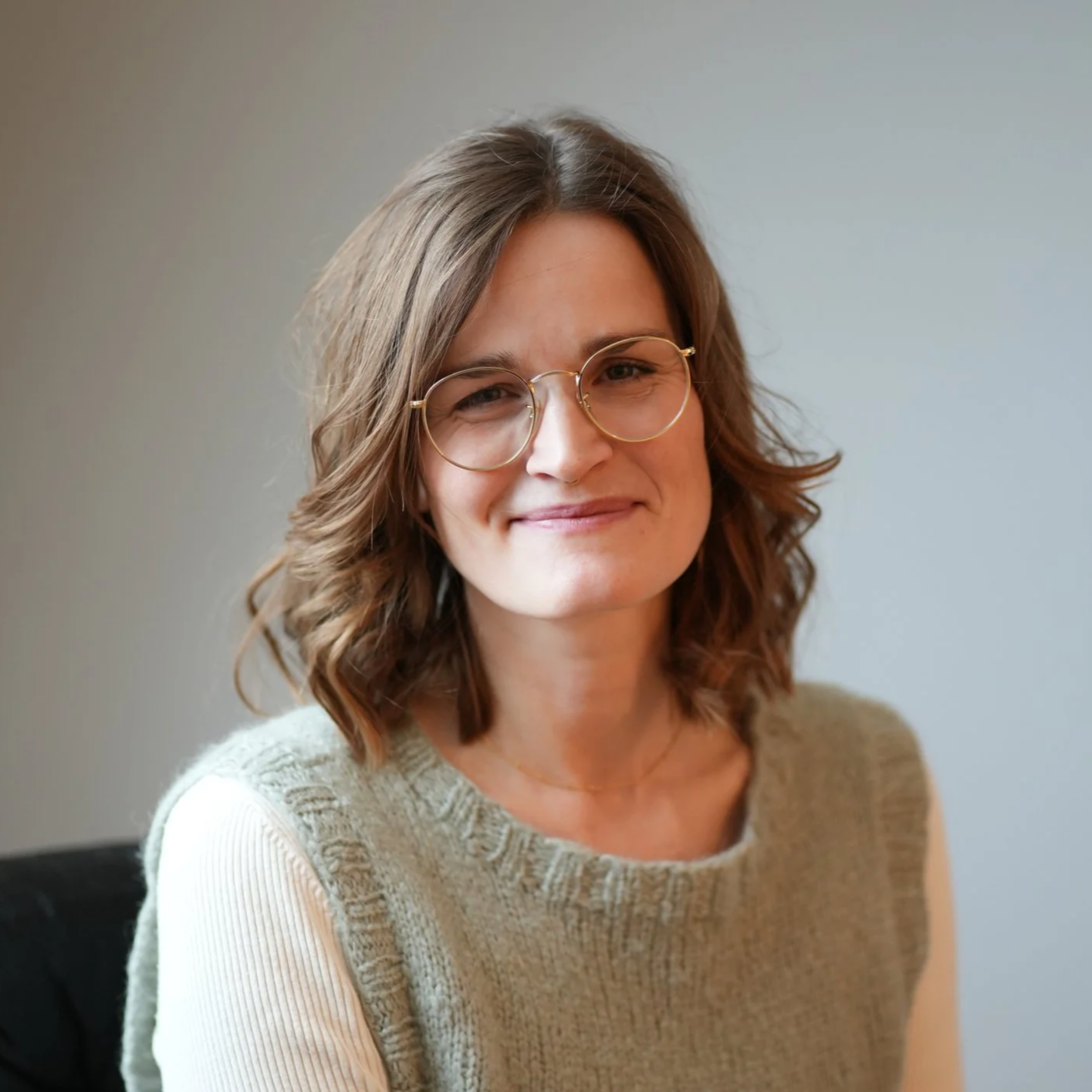
My name is Nadja Uldall, and I offer therapy in English. I am a licensed clinical psychologist with more than 10 years of experience helping people with anxiety, OCD, stress, and other mental health challenges. My aim is to help you develop a greater sense of safety, well-being, and direction in your life.
Therapy with me is grounded in a warm and safe therapeutic relationship. I believe that growth happens when we feel seen, accepted, and gently challenged.
I will structure our sessions so that they feel meaningful and relevant to you. I make sure to provide direction and momentum throughout the process, while we work together to find a balance between reflection, practical tools, and exploring what comes up emotionally in our sessions.
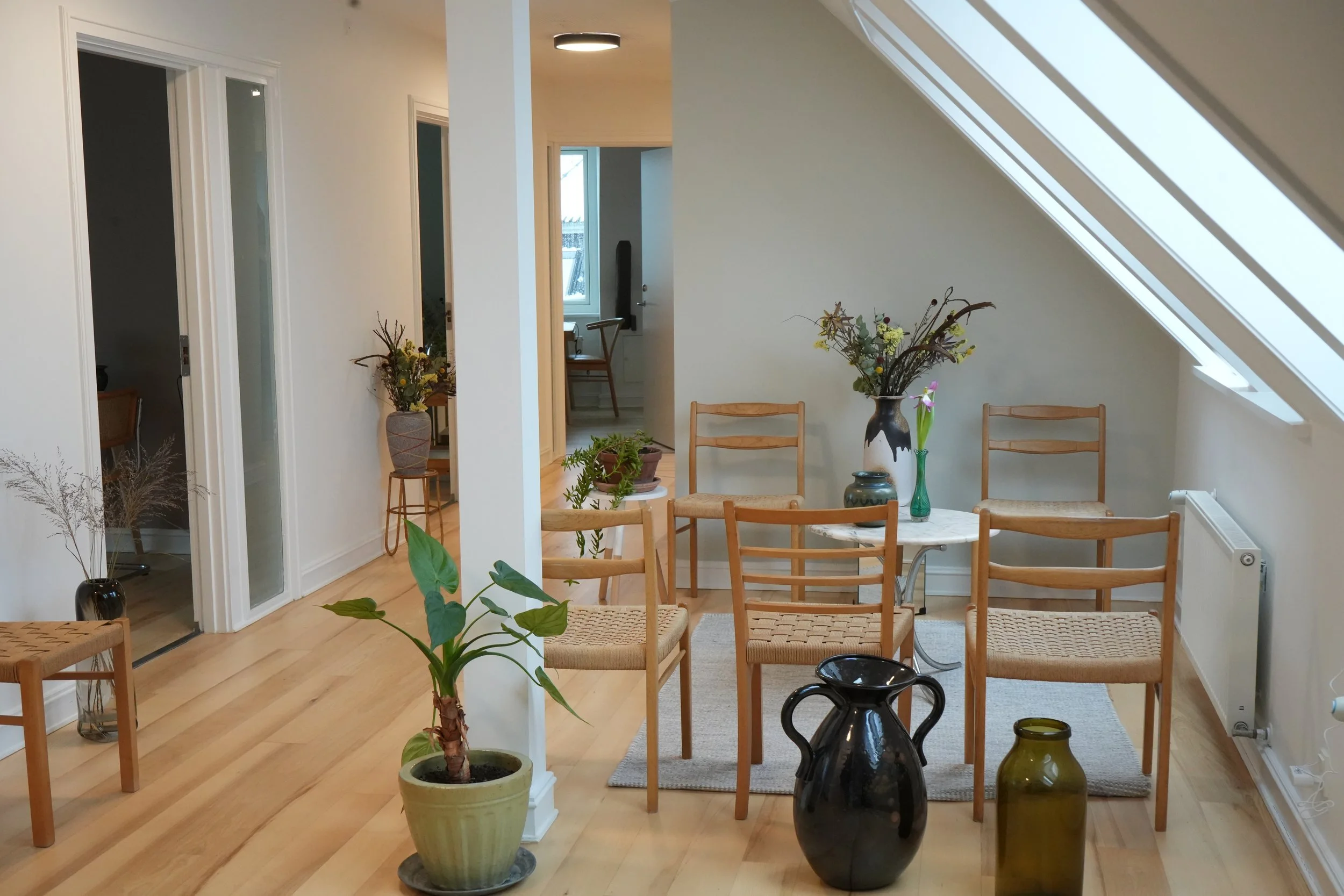
I will tailor the methods I use to your unique situation, focusing on what matters most to you. The sessions can take place online or in our cosy clinic in central Copenhagen.
I look forward to welcoming you into a safe and collaborative therapeutic space.

In addition to therapy online or in person, I offer talks, workshops, and supervision grounded in my clinical work and experience.
About me
I have a Master’s degree in Psychology from the University of Copenhagen. I have also studied Psychology abroad in Belfast, Northern Ireland, and London, United Kingdom.
I have completed further training in Integrative Cognitive Behavioural Therapy, incorporating elements from Compassion-Focused Therapy, Acceptance and Commitment Therapy, and Metacognitive Therapy. I am also trained in attachment-informed approaches to therapy.
While my main areas of treatment are anxiety, OCD, and stress, I also have extensive experience working with grief, attachment issues, depression, relationship challenges, life transitions, and self-esteem.
I stay up to date through trainings and international conferences to ensure the highest quality of care.
My approach is integrative and tailored to each individual, combining evidence-based methods with a compassionate and nuanced understanding of the person behind the difficulties.
Would you like to read more about psychology?
In my articles I write about various topics related to anxiety, OCD, stress, self-esteem, relationships, and mental health. Some of the articles are in English.
If you have any questions or are considering starting therapy, please feel free to get in touch.

“My life has changed for the best thanks to your help and encouragement.”
– Former client
Methods
I am trained in Integrative Cognitive Behavioral Therapy. This means that CBT provides the overall framework, while I draw on elements from other therapeutic approaches as appropriate to your individual needs and concerns. I am also trained in attachment informed therapy.
-
CBT provides a clear framework for understanding how our thoughts, emotions, physical responses, and behavior are interconnected, and how they can reinforce one another in unhelpful cycles. We also explore how past experiences may have shaped the way you relate to yourself and live your life today. The approach provides structure and practical tools for changing patterns that may be keeping you stuck, while also serving as the foundation for the other therapeutic approaches I draw on.
-
Exposure and response prevention (ERP) is a core behavioural intervention in CBT for OCD. I use ERP to gradually reduce anxiety and compulsive behaviours by helping you, at a pace that feels safe and manageable, practice responding differently to situations involving anxiety, uncertainty, and discomfort.
-
I use principles and techniques from metacognitive techniques to help break patterns of rumination and worry. The focus is on changing the way you relate to your thoughts, so that you can learn to observe them without being guided or controlled by them.
-
I draw on principles from Compassion Focused Therapy to create a supportive and regulating space where you can develop greater self-compassion and a kinder relationship with yourself. This can be particularly helpful for people who struggle with strong self-criticism or difficulties related to attachment, where connecting with their own needs can feel unfamiliar, overwhelming, or even frightening.
-
I draw on principles from ACT, which focuses on developing psychological flexibility through working with acceptance, values, and new ways of relating to our inner experiences.
My therapeutic approach
-
I draw on psychotherapeutic approaches with a solid research base, while also incorporating perspectives and therapeutic tools from other approaches. My therapeutic choices are informed by the best available evidence, my clinical experience, and an ongoing assessment of what is most helpful and appropriate for you.
-
I place great importance on the therapeutic relationship and use it actively in therapy. Research shows that the quality of the therapeutic relationship is among the most significant factors influencing treatment outcomes.
I am trained in attachment informed therapy and work actively with attachment patterns when they are relevant to the challenges you experience in your relationships.
-
I take a broad view of the factors that may contribute to psychological distress and seek to understand your difficulties in the context of your life and circumstances. This may include your personal history, your work environment, relationships, family dynamics, spirituality, your diet, your relationship with your body and sexuality among other aspects of life that may be relevant to your experience.
-
I do not see psychological difficulties as simply symptoms of an illness, but also as patterns that have developed in a meaningful way in response to particular circumstances. In therapy, we explore what these patterns may be trying to achieve or protect you from. I am also mindful of how viewing mental health struggles primarily as illness can shape the way you see yourself, and may negatively affect your motivation to work on the difficulties you are experiencing.
-
I have experience with and a good understanding of queerness, non-conformity and the particular experiences that can come with living outside heteronormative and cisnormative frameworks. You do not need to explain or defend your identity in therapy.
-
I work with the understanding that the mind is made up of different parts, which may have different needs, values, strategies, and ways of responding. Sometimes these parts can be in conflict with one another. Rather than fighting or shaming the parts of ourselves we struggle with, we can develop greater understanding and create more cooperation between them.